The Seduction of the Moveable Wall
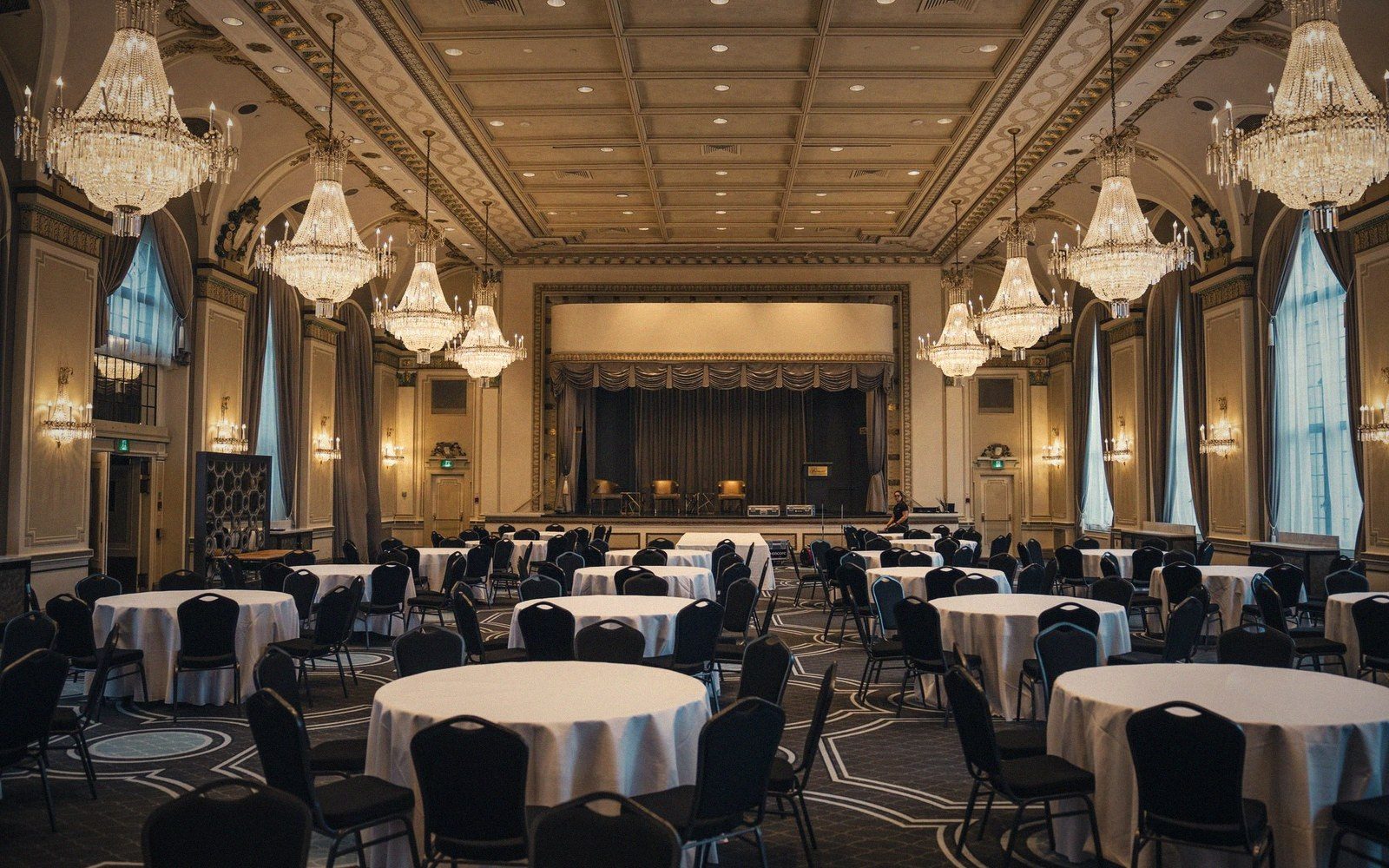
The promise was simple enough to fit on a specification sheet: one large ballroom, two medium event rooms, four breakout suites — all from the same floor plate, all switchable in under an hour by a facilities crew. Mid-century hotel designers embraced operable partition walls with something close to evangelical fervour, and the logic was real. A long-span ballroom structure is expensive to build and expensive to hold in reserve for the forty nights a year it runs at capacity. Subdividing that span with folding or sliding panels seemed like pure efficiency — the architectural equivalent of getting four instruments from one musician.
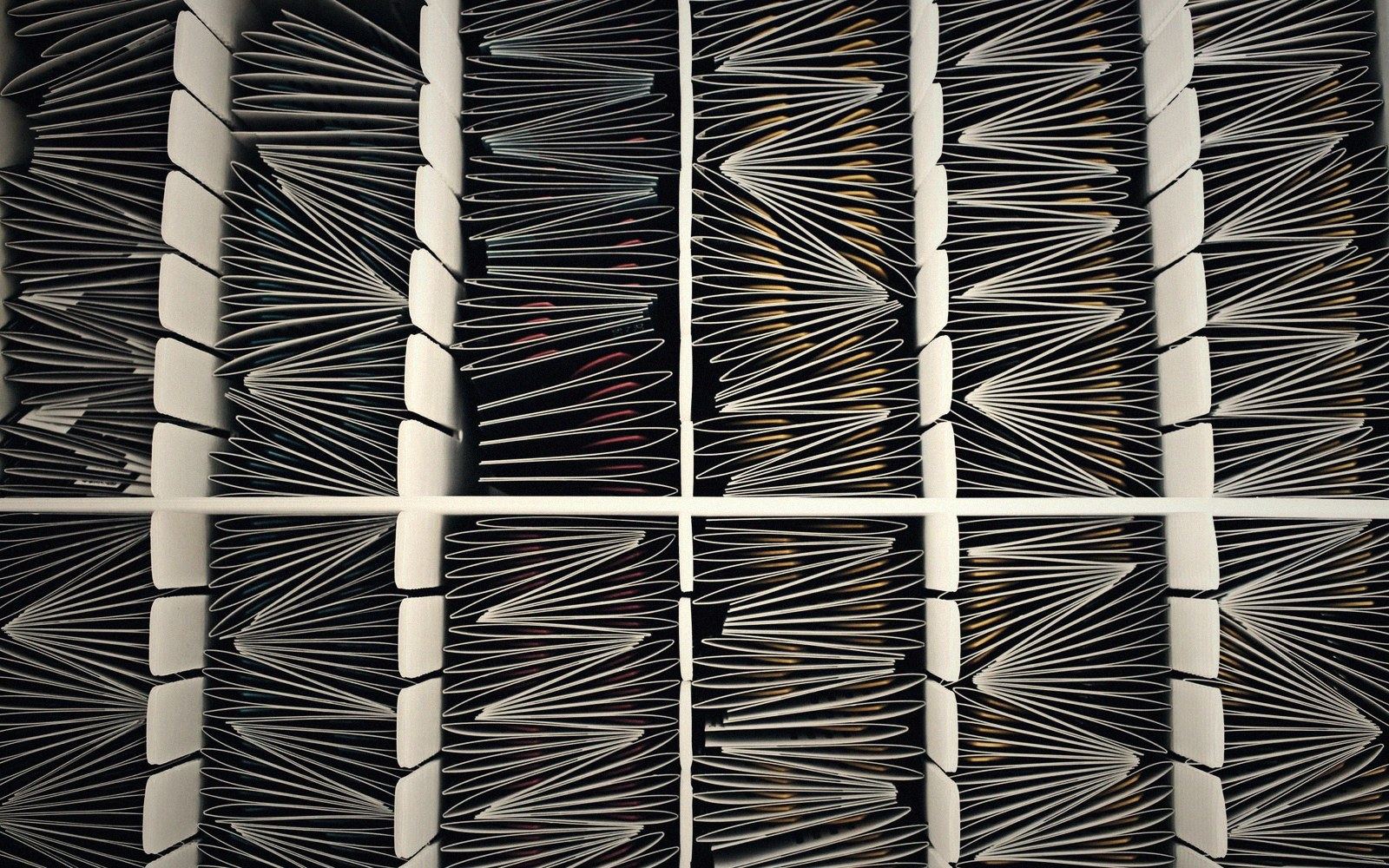
The problem was never the mechanism. Modern operable partition systems — Modernfold and Hufcor are the two names that dominate the North American market — are genuinely sophisticated hardware. Panels hang from a ceiling track, stack neatly into a pocket at the room's perimeter, and can be deployed by two people in reasonable time. The problem was always the acoustics, and the acoustics are a physics argument that the sales literature routinely lost.
Note 01
The numbers that matter
Why the Panels Fail
Sound transmission loss is measured in STC — Sound Transmission Class — a single-number rating derived from laboratory testing across a range of frequencies. A well-constructed fixed gypsum partition, properly detailed with resilient clips, insulated stud cavity, and sealed penetrations, will achieve STC 55 to 60 without heroic effort. A high-specification operable partition, correctly specified and maintained, will reach STC 48 to 52 under ideal conditions. That gap, roughly 8 to 10 STC points, represents a perceived loudness difference that occupants register immediately: what is a murmur on one side of a fixed wall becomes a distinct intrusion on one side of a folded panel.
But the laboratory rating is not the installed rating, and here the partition earns its reputation for failure. STC is measured in a test chamber with the panel sealed against purpose-built jambs and with no penetrations whatsoever. In an actual ballroom, the panel must seal against a floor that is rarely perfectly level, a ceiling that may have a slight camber, and side jambs that see thermal movement, live load deflection, and decades of deferred maintenance. Every gap — and there are always gaps — degrades performance drastically. Sound, unlike water, does not need a large opening; a one-percent open area can reduce an STC 50 assembly to STC 25 in practice. The folding wall becomes a privacy screen rather than an acoustic separator.
The frequency problem is compounding. Low-frequency energy — bass from a band, the fundamental of a speaker stack, the room boom of several hundred people eating simultaneously — transmits through solid panels with minimal attenuation regardless of STC rating. STC is weighted toward the mid-frequency range precisely because early testing protocols were calibrated around speech intelligibility, not live music or amplified presentations. A banqueting room with a DJ on one side of an operable partition and a corporate dinner on the other is not a specification failure; it is a physics certainty.
What the Better Systems Do Differently
The distinction between a partition that fails and one that merely disappoints comes down to three variables: panel mass, edge sealing, and structural integration.
Mass is foundational. Thicker, denser panels transmit less energy — the relationship between surface mass density and sound transmission loss is well-established in the literature. Better operable partition systems use multiple-layer panels with internal mass-loaded vinyl or gypsum-composite cores rather than honeycomb or hollow extrusions. The penalty is weight per linear foot, which imposes demands on the ceiling track and its structural support, and on the floor — which must be flat enough, and smooth enough, to allow a bottom seal to engage consistently.
Edge sealing is where installed performance actually lives. The best systems deploy an automatic bottom drop seal — a blade that descends from the panel's lower edge when the panel reaches its final position, driven by the same action that locks the panel to the track. Side seals use a cam-actuated blade that compresses against the adjacent panel or jamb. None of this works if the floor has a crowned screed, a carpet pad of variable thickness, or a threshold transition. Facilities managers who inherit these systems and find them underperforming should look at the seals first: a bottom drop blade worn to half its original compression depth will have surrendered most of its marginal gain.
Structural integration addresses flanking transmission — the path sound takes around the panel through the shared ceiling plenum, the floor structure, or the walls. A partition that stops at the suspended ceiling tile and not at the deck above it is acoustically worthless regardless of its panel rating. Effective installation requires the ceiling plenum to be divided at the partition line, the HVAC distribution to be segregated, and electrical conduit not to cross the partition line in a way that creates a continuous air path. These details are not the partition manufacturer's responsibility; they are the architect's and the mechanical engineer's, and they are frequently overlooked until the first wedding reception proves the point.
The folding wall is not a broken product. It is a product that was oversold into applications its physics could never support, detailed by people who trusted the catalogue number over the site condition, and maintained by facilities teams who inherited a system they had never been trained to read. The room has always been trying to tell you what it can hold. The panel is just the messenger.
Note 02