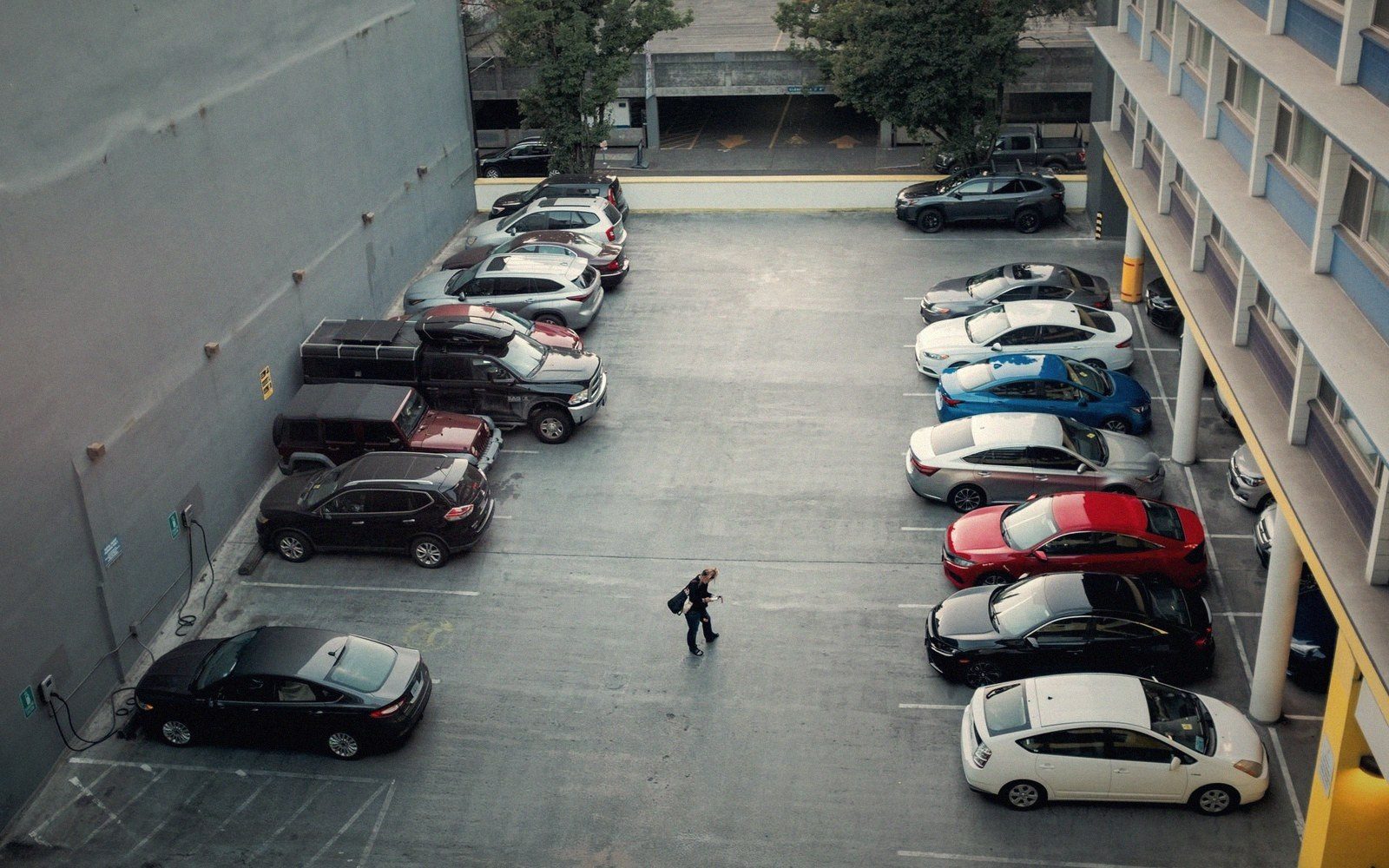
The Motor-Hotel Era
The strip motel and the roadside tower — how car culture reshaped hotel typology in mid-century America and what that produced structurally.
-
4.01
When the Canopy Became the Front Door
The porte-cochère was a carriage detail in the grand hotel tradition; the motor hotel made it the building's primary organisational element — this piece traces that shift and its structural consequences for how the building meets the street.
4 min read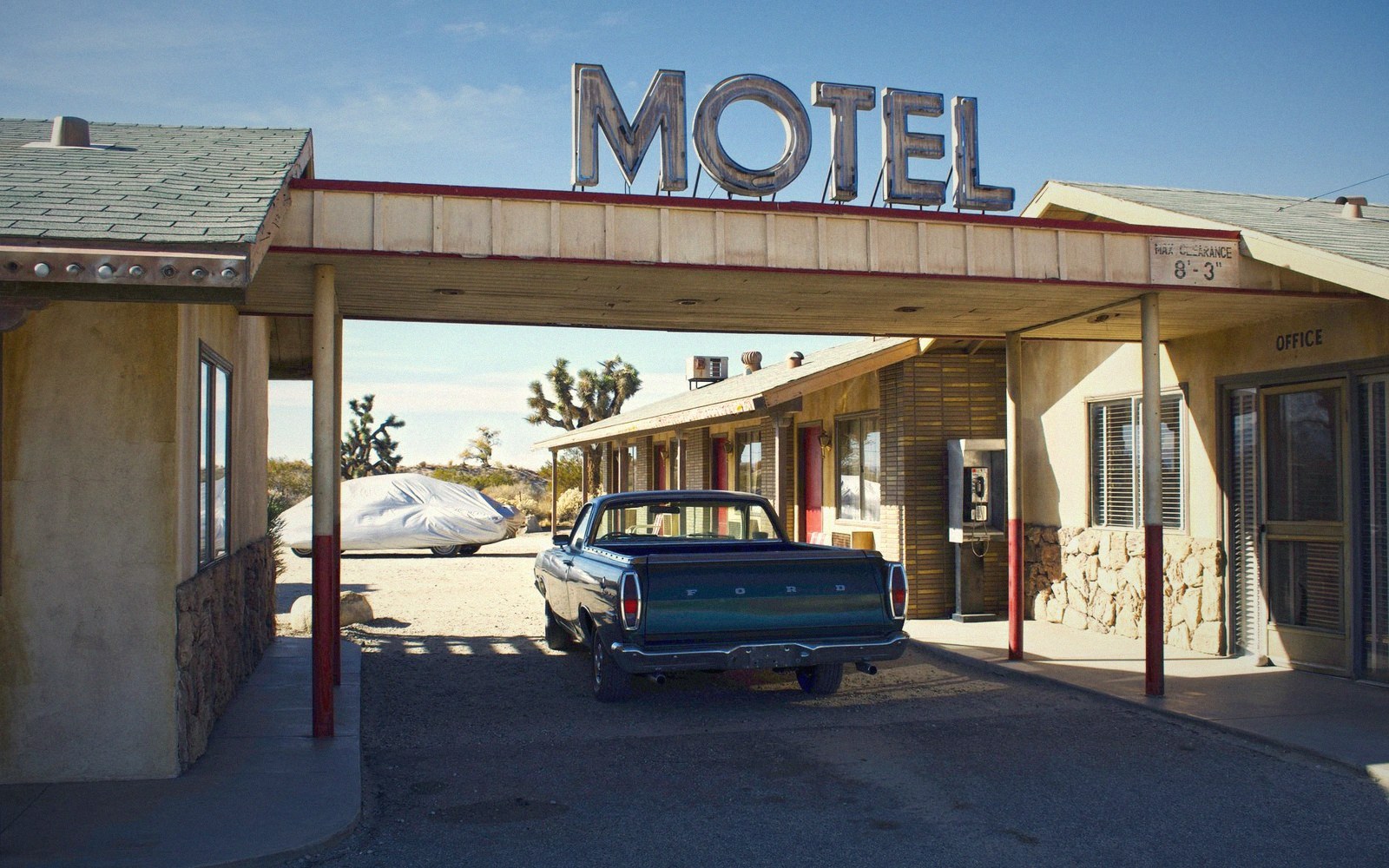
-
4.02
Inside Out: The Corridor Decision
A direct comparison of exterior-corridor and interior-corridor motor hotel plans — what each costs to build, heat, and maintain, and why the same chain sometimes built both within miles of each other.
2 min read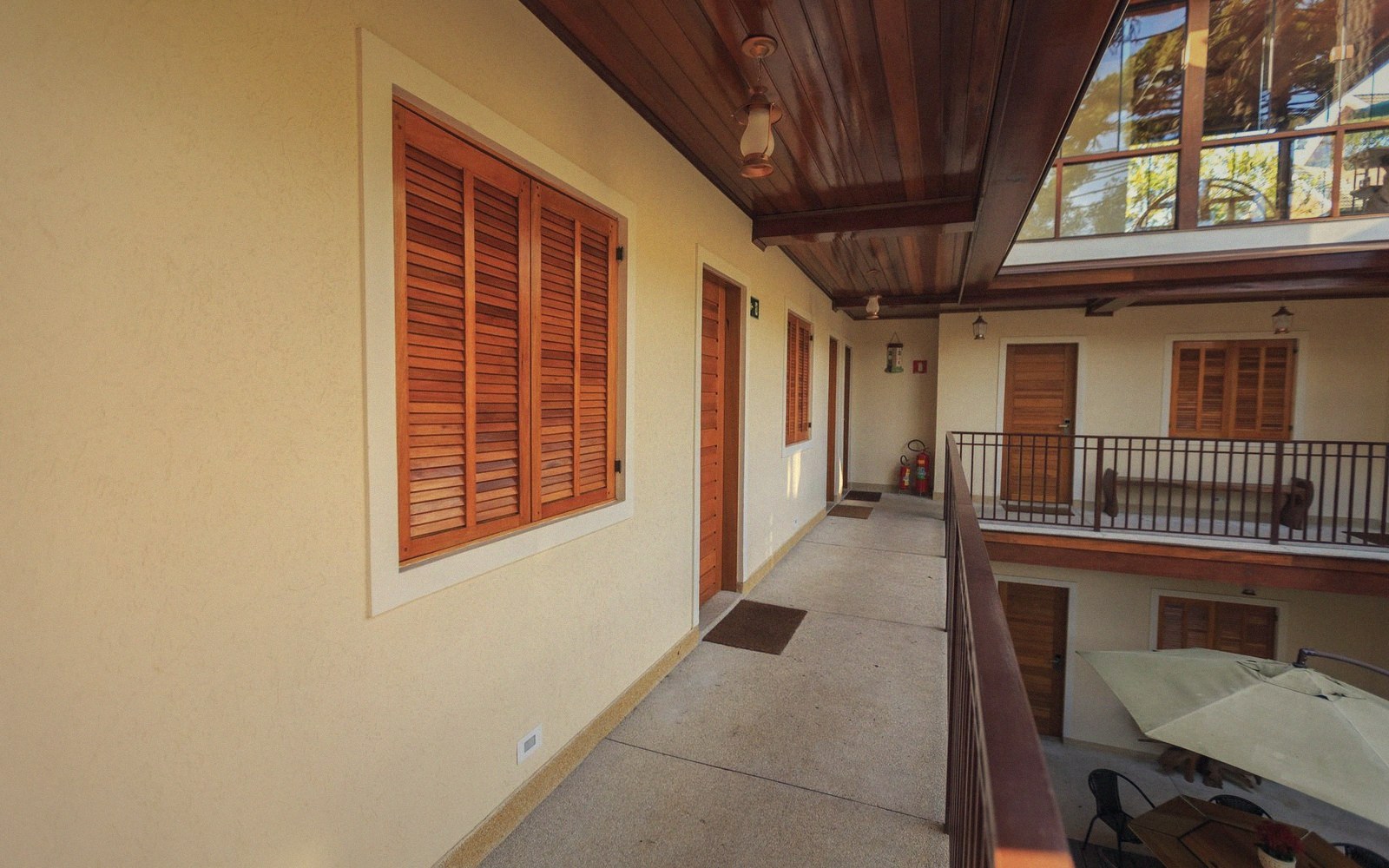
-
4.03
The Package That Built a Thousand Identical Hotels
Mid-century franchise hotel chains supplied franchisees with a structural and finish package — this explainer unpacks what was in it, how much was truly standardised, and why the buildings still look related despite regional contractors.
3 min read
-
4.04
The Sign That Named the Building
Roadside hotel signage was an architectural element and a zoning battleground — this piece covers the structural anchoring of large neon road signs, the ordinance fights that removed them, and why their absence changed how the buildings read from the street.
2 min read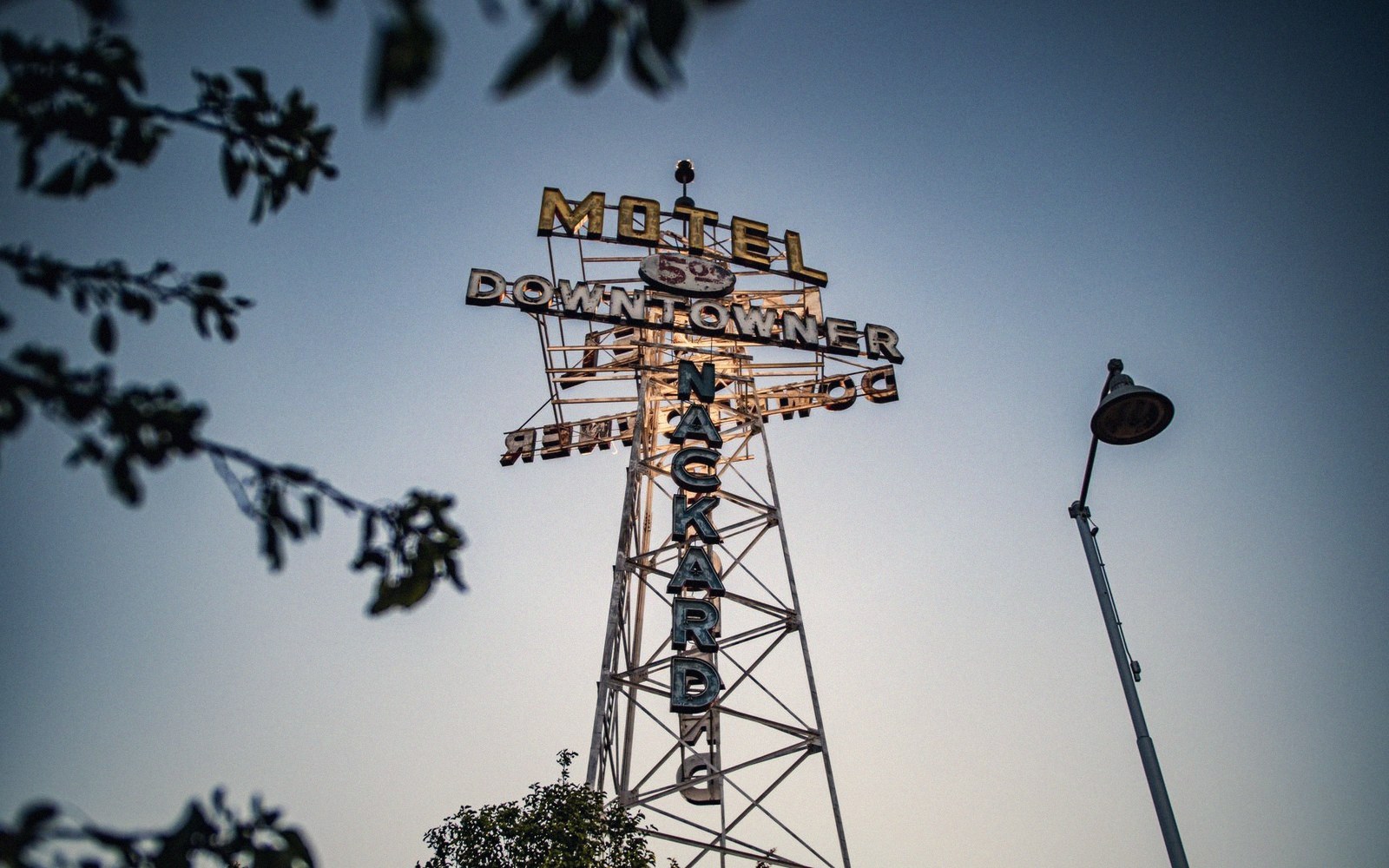
-
4.05
What the Motor Inn Got Right
An argument piece: the stripped-back motor hotel solved several problems the grand hotel never did — direct room access, parking integration, legible wayfinding — and dismissing it as architecture is a way of not looking at it carefully.
4 min read